
Quick answer
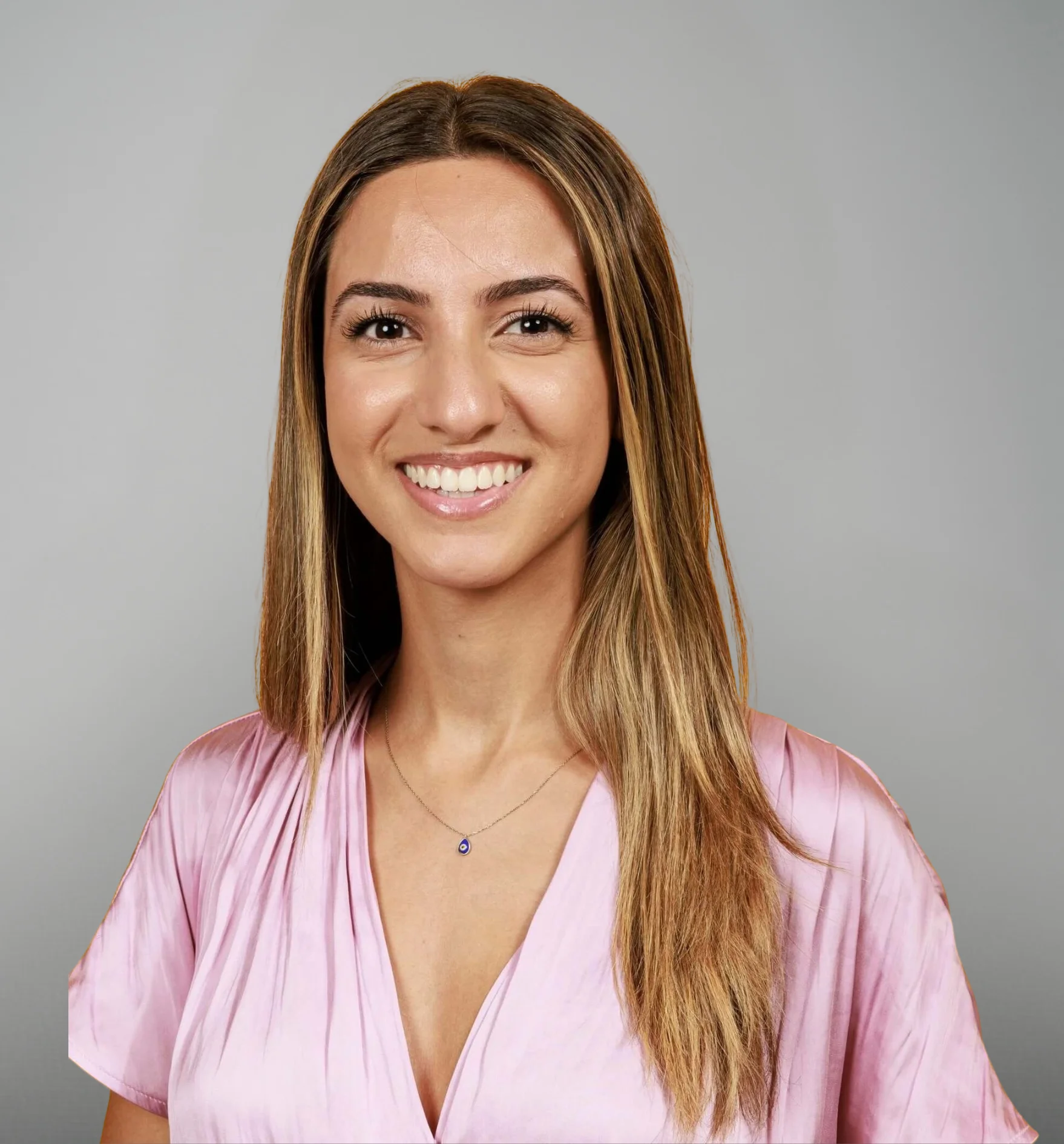
SIIA National 2026 marked a shift in self-funded health plan conversations: from asking members to manage costs to building plans that make the right choice easier. Shapari Samini reflects on what it will take to put that member-first approach into practice.
I've attended the Self-Insurance Institute of America (SIIA) National Conference for three years. This was the most substantive one by far, with so many engaged participants motivated for change.
Most industry conferences produce a lot of conversation and very little movement. People agree the self-funded health plan system is broken, trade a few business cards and fly home to the same plans and the same cost trends. This year, the conversations were about how to do something new, specifically and in practice. People are ready for change, and they came with plans.
The member question has been answered differently three times
The most important shift was how the industry now talks about the member.
A few years ago, the member was the center of every pitch. Then the pendulum swung hard the other way: "we can't rely on members to reduce costs." That was a fair critique of an approach that asked people to out-shop a system built to confuse them.
This year landed somewhere more useful. The question on the table was how to design a plan that makes the right decision, the easy one for the member, every time. That puts the responsibility where it belongs. If members keep making costly choices, the failure sits with plan design, not with the member.
That shift, paired with an industry finally willing to act on it, is at the perfect pivot point.
Every part of the self-funded health plan ecosystem is pointing the same direction
I spoke with attendees from care navigation, reference-based pricing (RBP), independent networks, point solutions and private equity. These groups have different business models and, in many cases, different incentives. Yet everyone was focused on the same core goal: building health plans that serve the member.
That kind of alignment is rare and it’s so critical to this next stage of innovation in health plans. Employers have waited a long time for the pieces of the market to work together instead of against each other. When capital, networks, navigation and pricing models all converge on the same goal, the old status quo loses its defenders.
How to execute a next-generation health plan
Plenty of people at SIIA National said the right things. The ones who turn those ideas into plans that perform will define what a good health plan looks like going forward. Health plans that offer effective cost-containment strategies built into plan design and put the member experience front and center will be an important part of next year’s plan renewal conversations.
I'll be watching closely, and I'll be working to make sure Handl is helping our partners be successful.